top of page

Exploring the Impact of Susie Barber's Works

  • Writer: Susie Barber
    Susie Barber
  • Feb 12
  • 3 min read

Susie Barber’s recent books have sparked important conversations around American justice and the often-hidden struggles of childhood trauma. Her works offer deep insights into the lives affected by the justice system and the long-lasting effects of abuse on survivors. This post explores how Barber’s writing sheds light on these critical issues and encourages readers to rethink justice and healing in modern society.


Eye-level view of a worn leather-bound book resting on a wooden table with soft natural light
Susie Barber's books on justice and trauma

Understanding the Human Side of Death Row


In Death Row: (2024), Barber moves beyond statistics and headlines to tell the stories of individuals on death row. She focuses on the human experiences behind the legal battles, exploring how the justice system impacts not only the accused but also their families and communities.


Barber highlights several key points:


  • The complexity of guilt and innocence: Many on death row face uncertain verdicts, with new evidence sometimes emerging years later.

  • Emotional toll on families: Families of both victims and inmates endure profound grief and trauma.

  • Calls for reform: Barber advocates for changes in how the justice system handles capital punishment, emphasizing fairness and rehabilitation.


Her narrative challenges readers to consider the ethical and emotional dimensions of the death penalty, urging a more compassionate approach.


Breaking the Silence on Childhood Sexual Abuse


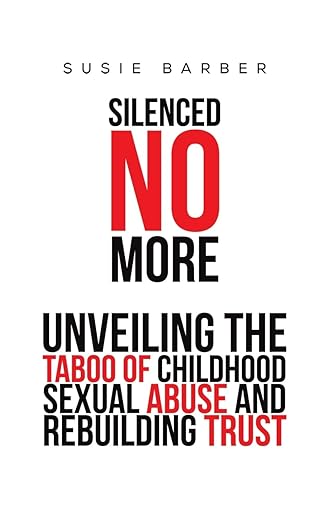
Barber’s 2025 book, Silenced No More: Unveiling the Taboo of Childhood Sexual Abuse and Rebuilding Trust, addresses a subject often avoided in public discourse. She combines survivor stories, psychological research, and social analysis to reveal the widespread impact of childhood sexual abuse.


Key insights include:


  • The long-term effects on survivors: Trauma can affect mental health, relationships, and trust well into adulthood.

  • Barriers to speaking out: Shame, fear, and societal stigma often keep survivors silent.

  • Pathways to healing: Barber discusses therapy, community support, and legal reforms that help survivors reclaim their lives.


By giving voice to survivors, Barber helps dismantle the silence and stigma surrounding abuse. Her work encourages society to listen, support, and create safer environments for children.


Navigating Modern Manners in a Digital World


In Modern Manners: Navigating the Digital Age for Gen Z (2025), Barber shifts focus to social behavior in the age of technology. While this book may seem different from her other works, it ties into her broader theme of rebuilding trust and connection in challenging environments.


Highlights include:


  • Digital communication challenges: Misunderstandings and conflicts arise easily online.

  • Building respectful interactions: Barber offers practical advice for empathy and clear communication.

  • Balancing online and offline life: She stresses the importance of face-to-face relationships for emotional well-being.


This book provides useful tools for younger generations to foster healthier social habits, which can indirectly support healing from trauma and improve community dynamics.


The Broader Impact of Barber’s Work


Susie Barber’s books collectively push readers to rethink justice, trauma, and social connection. Her storytelling humanizes complex issues and offers practical pathways for change.


  • Raising awareness: By sharing personal stories, Barber makes abstract problems tangible.

  • Encouraging empathy: Readers gain a deeper understanding of those affected by injustice and abuse.

  • Promoting action: Her calls for reform and healing inspire individuals and institutions to improve systems and support survivors.


Barber’s work is a valuable resource for advocates, educators, policymakers, and anyone interested in social justice and mental health.


Practical Takeaways for Readers


  • Engage with stories: Personal narratives in Barber’s books help build empathy and awareness.

  • Support survivors: Learn about trauma-informed approaches to offer meaningful help.

  • Advocate for justice reform: Understand the complexities of the death penalty and support fair legal processes.

  • Practice digital kindness: Use Barber’s advice to improve communication and relationships online.


Comments


bottom of page