Empowering Voices: How Susie Barber Is Shattering the Silence on Childhood Abuse
- Susie Barber
- Jul 13
- 4 min read
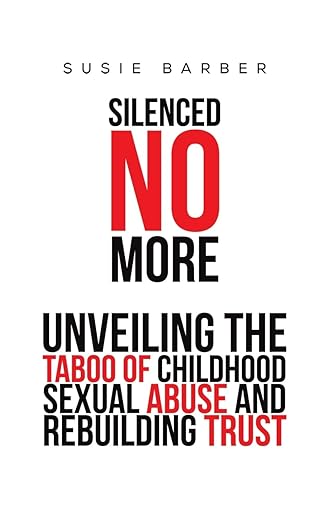
Childhood sexual abuse remains one of the most hidden and painful issues in society. Many survivors suffer in silence, trapped by shame, fear, or cultural taboos. Susie Barber, an internationally recognised communication and etiquette authority, speaker, educator, and survivor advocate, is changing this narrative. Through her work, she challenges the silence surrounding childhood abuse and promotes awareness, respect, and healing. Her book, Silenced No More: Unveiling the Taboo of Childhood Sexual Abuse and Rebuilding Trust, is a powerful call to action for families, institutions, and communities to confront this difficult subject openly and compassionately.

Breaking the Silence on Childhood Sexual Abuse
Susie Barber’s mission is clear: to break the silence that allows childhood sexual abuse to persist. Many survivors feel isolated because society often avoids discussing abuse openly. This silence can protect abusers and prevent victims from seeking help. Barber’s work highlights the importance of communication that respects the dignity of survivors and encourages them to share their stories without fear.
She emphasizes that silence is not protection but a barrier to healing. By speaking out, survivors reclaim their voices and begin to rebuild trust in themselves and others. Barber’s approach combines education with empathy, helping communities understand the impact of abuse and the urgent need for cultural change.
The Role of Communication and Respect in Healing
Communication is at the heart of Susie Barber’s advocacy. She believes that respectful dialogue can transform how society responds to childhood abuse. This means listening without judgment, validating survivors’ experiences, and fostering environments where people feel safe to speak up.
Barber’s expertise in etiquette and human behaviour informs her approach. She teaches that dignity and respect are essential in conversations about abuse. This includes using language that empowers survivors rather than stigmatizes them. For example, she encourages replacing victim-blaming phrases with supportive and affirming words that acknowledge courage and resilience.
Her work also addresses leadership within families and institutions. Leaders who model respectful communication can create cultures that prioritize protection and accountability. This leadership is crucial for preventing abuse and supporting survivors in their recovery.
Challenging Family and Institutional Silence
One of the most difficult barriers to addressing childhood sexual abuse is the silence within families and institutions. Susie Barber’s book exposes how this silence often protects abusers and perpetuates harm. She calls for transparency and accountability, urging families and organizations to confront abuse openly.
Barber provides practical guidance for families on how to talk about abuse, recognize warning signs, and support survivors. She stresses the importance of creating safe spaces where children and adults can express concerns without fear of disbelief or retaliation.
Institutions such as schools, religious organizations, and social services also play a critical role. Barber advocates for clear policies, training, and reporting mechanisms that prioritize child protection. By holding institutions accountable, communities can reduce the risk of abuse and ensure survivors receive the help they need.
Rebuilding Trust and Promoting Cultural Change
Healing from childhood sexual abuse involves rebuilding trust—trust in oneself, in others, and in society. Susie Barber’s work focuses on this process, offering hope and practical steps for survivors and their support networks.
She highlights the importance of education in changing cultural attitudes. Awareness campaigns, workshops, and public discussions can reduce stigma and encourage more people to speak out. Barber’s role as a speaker and educator helps spread these messages worldwide.
Her book also explores how survivors can regain control over their lives. This includes developing self-respect, setting boundaries, and finding supportive communities. Barber’s advocacy shows that recovery is possible and that survivors deserve respect and dignity.
Practical Steps for Supporting Survivors
Susie Barber’s approach offers clear advice for anyone wanting to support survivors of childhood sexual abuse:
Listen actively and without judgment to create a safe space for sharing.
Use respectful language that acknowledges strength and courage.
Encourage professional help such as counseling or therapy.
Promote awareness within families and communities to prevent abuse.
Advocate for institutional accountability to protect children.
Support survivors in rebuilding trust through patience and understanding.
These steps help shift the culture from silence and shame to openness and healing.
Why Susie Barber’s Work Matters Today
Childhood sexual abuse affects millions worldwide, yet many survivors remain unheard. Susie Barber’s work is vital because it confronts this issue head-on with honesty and compassion. By combining her expertise in communication and etiquette with survivor advocacy, she offers a unique and effective approach to change.
Her book, Silenced No More, is more than a memoir or guide—it is a movement toward awareness, protection, and respect. It challenges readers to rethink how they respond to abuse and encourages communities to build safer, more supportive environments.
Moving Forward with Awareness and Action
Susie Barber’s message is clear: silence allows abuse to continue, but speaking out can save lives. Her work inspires survivors to reclaim their voices and encourages society to listen and act. By fostering communication grounded in dignity and respect, Barber helps create a future where childhood sexual abuse is no longer hidden but addressed with care and urgency.
If you want to learn more about Susie Barber’s work or support her advocacy, visit her website at www.susiebarber.com. Together, we can build a culture that protects children, supports survivors, and values every voice.
This content is informational only and not a substitute for professional advice. If you or someone you know is affected by childhood sexual abuse, please seek help from qualified professionals or support organizations.


Comments